Triathlon Gear for Beginners: What Do You Really Need?

Triathlon Gear for Beginners: What Do You Really Need?
Signing up for your first triathlon can feel overwhelming. Three sports—swimming, cycling, and running—each come with their own gear, and it’s easy to think you need to buy everything at once. The good news? You don’t. With a few key pieces of equipment, you can complete your first race safely, comfortably, and confidently—without draining your bank account.
Here’s a practical guide to what you actually need as a beginner, and where you can save.
Swimming – Start Strong
The race begins in the water, and for many newcomers, this is the most intimidating part. The right gear can make a big difference in comfort and confidence.
- Swimsuit or tri suit: A snug-fitting suit reduces drag. Many beginners choose a tri suit that can be worn throughout the entire race, eliminating the need to change between disciplines.
- Goggles: Choose a pair that fits well and doesn’t fog up. For open-water swims, tinted or mirrored lenses help with glare.
- Wetsuit (for open water): In most U.S. races, water temperatures can vary widely. A wetsuit provides warmth and buoyancy, making swimming easier and more efficient.
- Swim cap: Most races provide one, but it’s good to have your own for training.
If you’re training in a pool, you can skip the wetsuit until you start practicing in open water.
Cycling – The Biggest Gear Investment
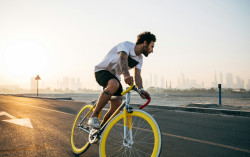
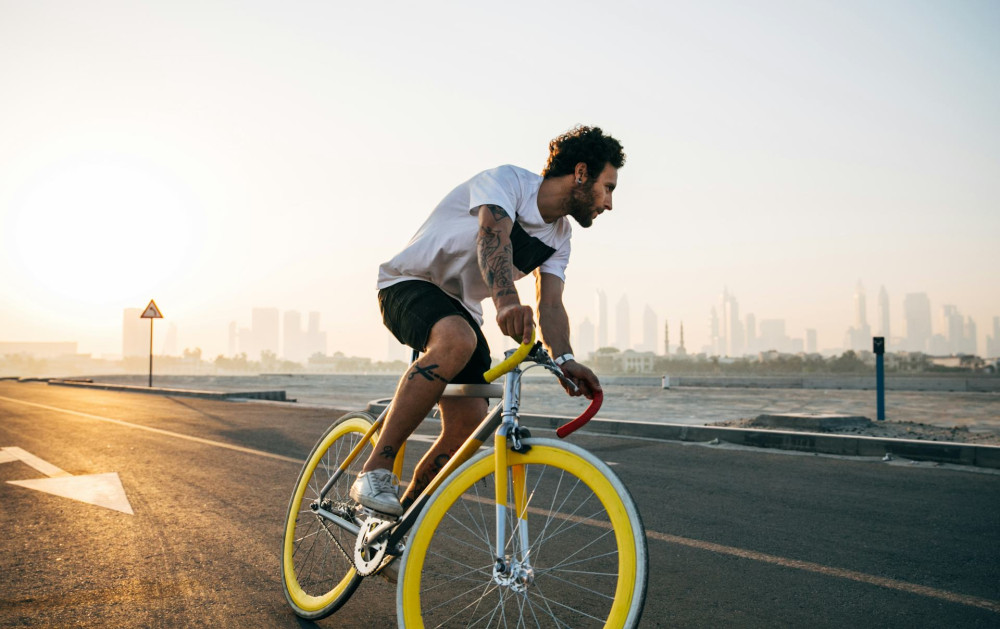
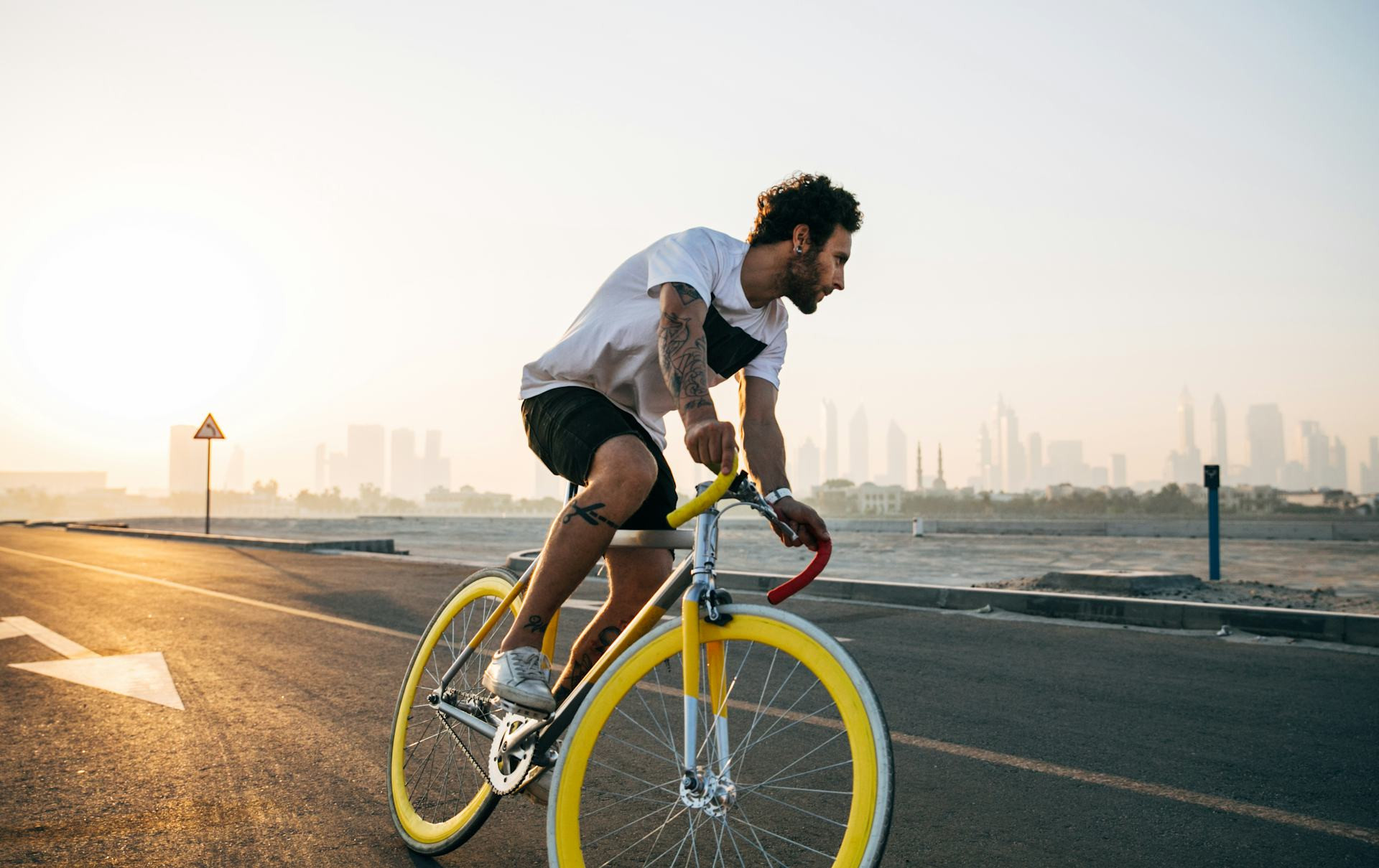
The bike leg is the longest part of a triathlon, and it’s where gear costs can add up quickly. But you don’t need a high-end triathlon bike to get started.
- Bike: A road bike is ideal, but a well-maintained hybrid or mountain bike can work for your first race. The key is that it fits you properly and is in good condition.
- Helmet: Mandatory in all races. Choose one that fits snugly and meets U.S. safety standards (look for a CPSC certification).
- Cycling shoes and pedals: Clip-in pedals improve efficiency, but you can start with regular athletic shoes and flat pedals.
- Water bottle and cage: Staying hydrated is essential, especially on longer courses.
- Cycling shorts or tri suit: Padded shorts make a big difference in comfort, especially for longer rides.
Before race day, check your bike thoroughly—tire pressure, brakes, and gears should all be in top shape. Bring a spare tube and a mini pump or CO₂ inflator just in case.
Running – The Final Challenge
After swimming and cycling, your legs will feel heavy, but the right gear can make the transition smoother.
- Running shoes: The single most important piece of gear. Get fitted at a local running store to find shoes that match your gait and provide proper support.
- Hat or visor: Protects you from the sun and keeps sweat out of your eyes.
- Lightweight clothing: If you’re not wearing a tri suit, choose quick-drying, chafe-free apparel.
Many triathletes use elastic laces to make shoe changes faster in transition—small details that save time and stress.
The Transition Area – The Fourth Discipline
Transitions can make or break your race experience. A little organization goes a long way.
- Lay out your gear in the order you’ll need it.
- Keep a small towel to dry your feet after the swim.
- Practice your transitions during training so you know exactly what to do on race day.
A simple tip: take a photo of your setup during practice so you can replicate it easily at the event.
Læs også:

Where to Save – and Where Not To
It’s tempting to buy all the latest gear, but as a beginner, you can keep things simple.
You can save on:
- Using your current bike and workout clothes.
- Buying used gear—especially wetsuits and bikes, which are often available in great condition for less.
Don’t skimp on:
- A quality helmet and running shoes. These are about safety and injury prevention.
- Goggles that fit well—small investment, big comfort.
Make It Your Own
Triathlon isn’t just about gear or finish times—it’s about the experience. Start with a shorter race, like a sprint-distance triathlon, and treat it as a learning opportunity. As you gain experience, you can upgrade your equipment and take on longer distances.
Most importantly, enjoy the journey. With the right basic gear and a bit of preparation, you’ll be ready to cross that finish line—and maybe discover a new passion along the way.
Læs også: