Prevent Injuries with Proper Technique – How to Do It in Practice

Prevent Injuries with Proper Technique – How to Do It in Practice
Whether you’re lifting weights, running, or playing team sports, proper technique is the key to staying injury-free and getting the most out of your workouts. Many injuries don’t happen because of accidents, but because the body is repeatedly stressed in the wrong way. With the right knowledge and a few simple habits, you can prevent both acute and overuse injuries—and improve your performance at the same time. Here’s a practical guide to how you can do it.
Know Your Body—and Its Limits
The first step toward safe training is understanding how your body responds to stress. Pain is a signal, not a challenge to push through. Learn to tell the difference between normal fatigue and the early signs of overuse.
- Fatigue feels like a general soreness that fades after a day or two.
- Overuse pain is sharp, persistent, and often located in joints or tendons.
If you experience the latter, adjust your technique, reduce intensity, or take a break. It’s better to skip one workout than to be sidelined for weeks.
Technique Before Speed or Weight
Many people focus on lifting heavier, running faster, or training longer—but forget that technique must come first. In every discipline, quality comes before quantity.
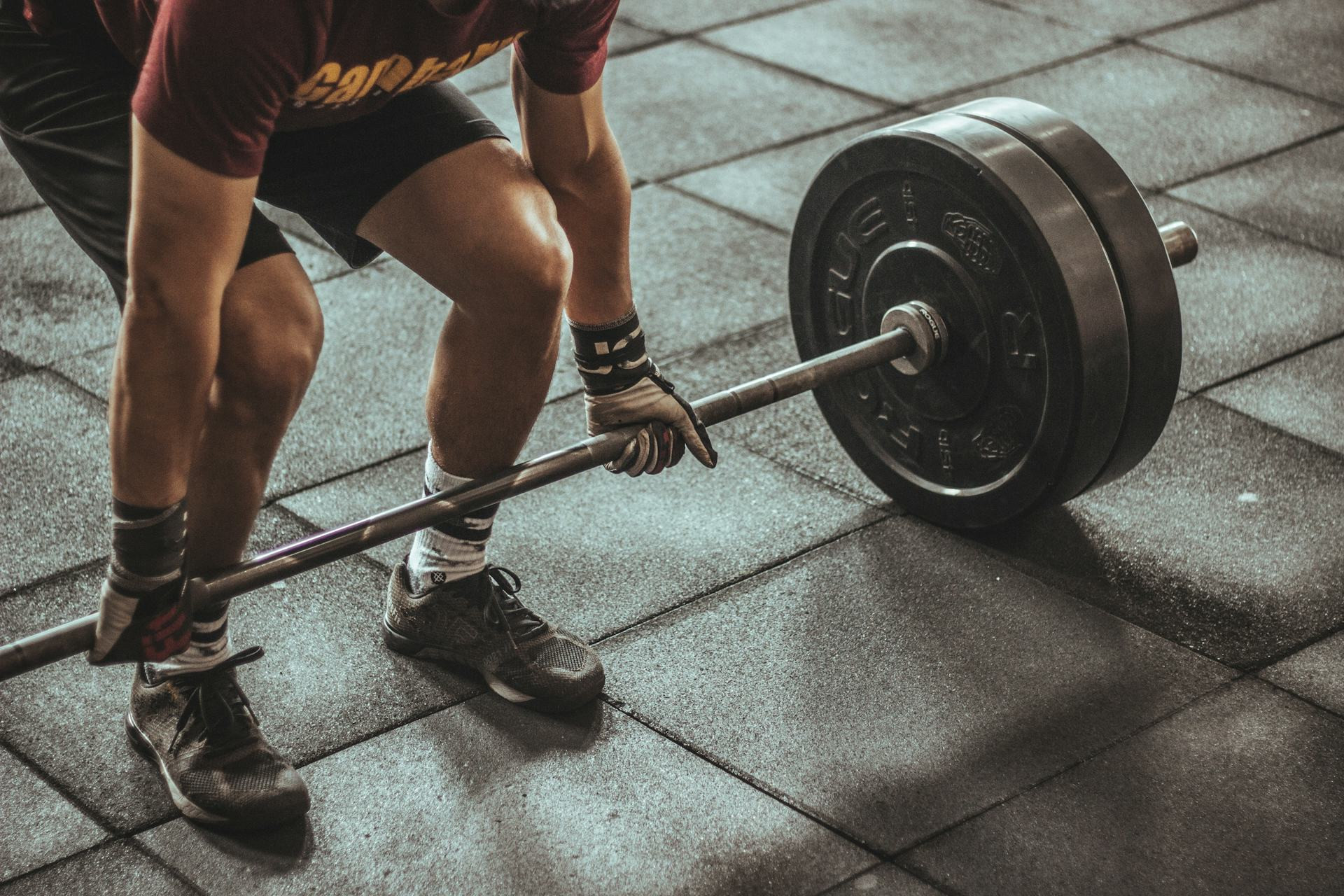
- In strength training: Maintain a stable posture, move in a controlled way, and complete the full range of motion. Use a mirror or video to check your form.
- When running: Keep an upright posture, land softly under your body, and avoid overstriding.
- In sports: Practice basic movements like cutting, jumping, and landing—these are where most injuries occur.
A certified trainer or physical therapist can help fine-tune your technique so you move efficiently and safely.
Læs også:



Warm Up—Your Best Insurance
A proper warm-up prepares your muscles, joints, and nervous system for activity. It increases blood flow and flexibility, reducing the risk of strains and sprains.
Start with 5–10 minutes of light activity such as jogging, cycling, or dynamic mobility drills. Then move into sport-specific movements—like leg swings, arm circles, or gentle hops. Avoid long static stretches before training; they can temporarily reduce muscle strength. Save those for after your workout.
Strengthen the Weak Links
Injuries often occur in the least stable areas—typically shoulders, knees, and ankles. Strengthening the small stabilizing muscles can prevent many common problems.
- Shoulders: Do rotator cuff exercises with resistance bands.
- Knees: Work on balance and strengthen hips and hamstrings.
- Ankles: Practice single-leg balance or use a wobble board.
These exercises don’t take much time but make a big difference, especially if your sport involves quick direction changes or jumping.
Recovery Is Part of Training
Your body gets stronger when it has time to recover. Sleep, nutrition, and rest days are just as important as the workouts themselves. Plan rest days and vary your training so you don’t overload the same muscles repeatedly. Active recovery—like light cycling, swimming, or yoga—can boost circulation and reduce soreness.
If you notice early signs of pain, act quickly. Ice, gentle movement, and, if needed, physical therapy can stop a small irritation from becoming a serious injury.
Use Equipment Wisely
Gear such as shoes, braces, and training aids can help—but they should never replace good technique. Running shoes should match your foot type and gait, and braces should only be used temporarily during rehab. The best protection against injury is still a strong, well-functioning body.
Make It a Habit
Training with proper technique takes awareness, but it soon becomes second nature. Start each session by focusing on one movement you want to improve. Over time, small adjustments lead to big results—fewer injuries and better performance.
Preventing injuries isn’t about being overly cautious; it’s about training smart. When you move with awareness and respect your body’s signals, you can stay active, strong, and injury-free for years to come.
Læs også: