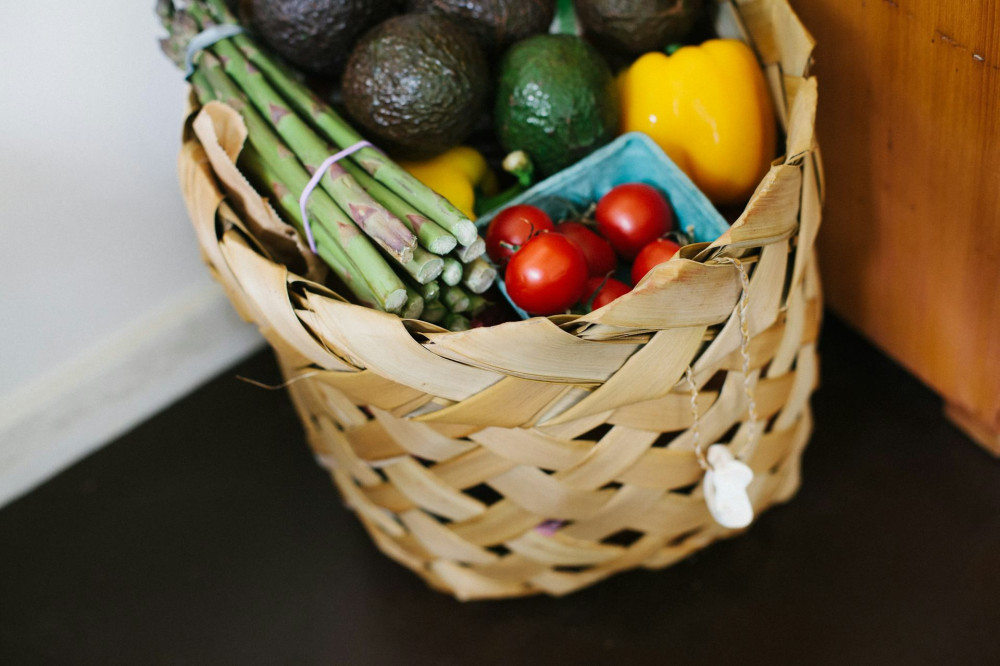
Prepare Your Meals in Advance and Save Time in Your Daily Routine

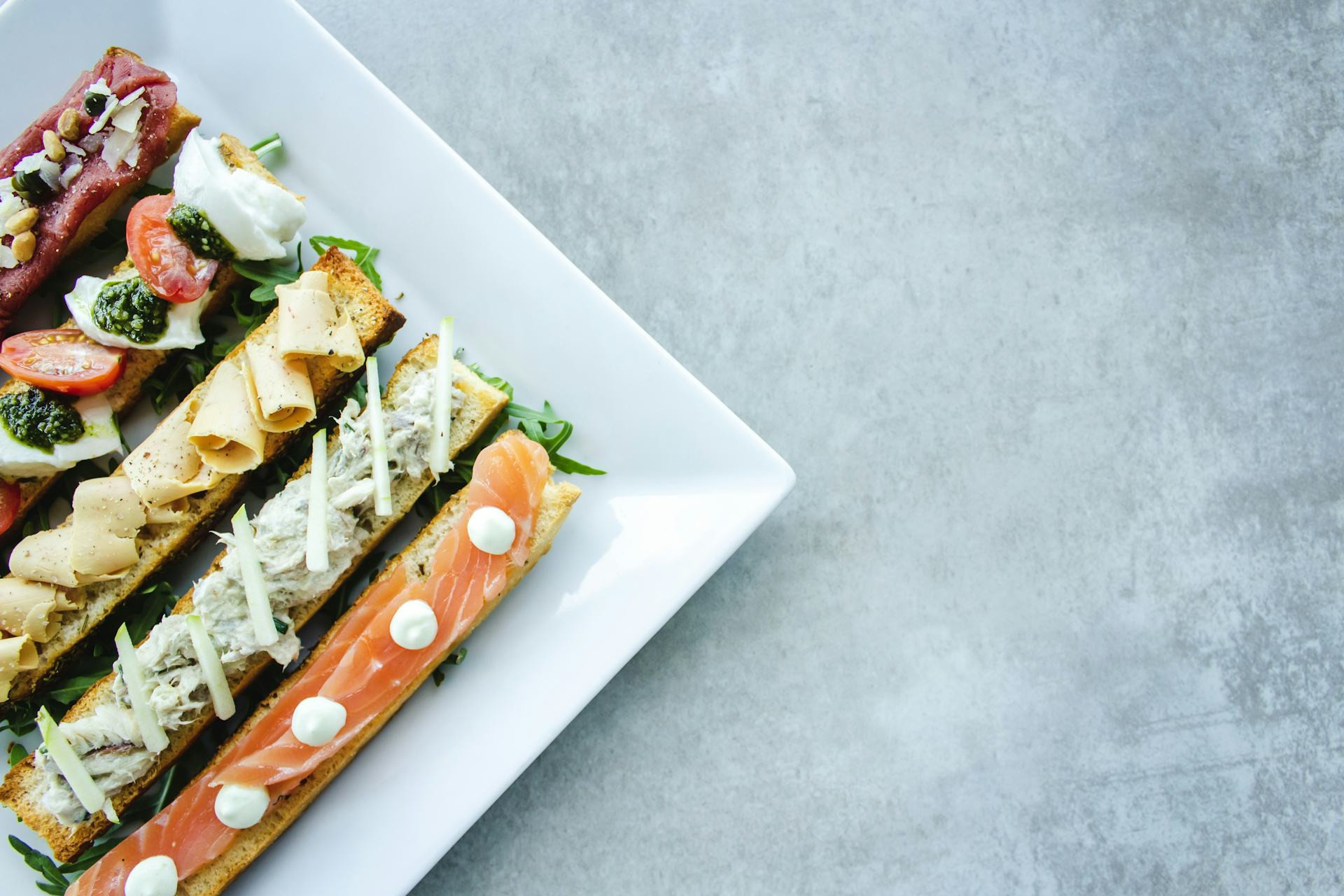
Prepare Your Meals in Advance and Save Time in Your Daily Routine
Between work, family, and social commitments, finding time to cook healthy meals every day can feel impossible. But with a little planning and preparation, you can save both time and energy—without sacrificing flavor or nutrition. Meal prepping, as it’s often called, is all about preparing parts of or entire meals ahead of time so you can quickly assemble or reheat them when you’re hungry. Here’s how to get started.
Plan Your Week – and Reduce Daily Stress
The first step to successful meal prep is planning. Set aside a few minutes once a week to create a meal plan. Think about which days you’ll be busiest and which days you might have more time to cook from scratch. On your busiest days, plan for meals that can be reheated or assembled in minutes.
Once you’ve made your plan, write a grocery list based on it. This helps you avoid last-minute trips to the store and reduces food waste because you’ll only buy what you need. Many people find that planning ahead brings a sense of calm and makes it easier to eat balanced meals throughout the week.
Use the Weekend to Get Ahead
One of the best ways to save time during the week is to spend a couple of hours on the weekend preparing ingredients or full meals. You can cook grains, chop vegetables, bake proteins, or even make entire dishes that just need to be reheated.
Here are some ideas for what to prep:
- Cook grains and legumes like rice, quinoa, lentils, or beans—they’re great for salads, bowls, or wraps.
- Chop vegetables and store them in airtight containers so they’re ready to use.
- Prepare base dishes such as chili, curry, or soup, and freeze them in portions.
- Bake or grill chicken to use in salads, sandwiches, or pasta dishes during the week.
- Make dressings and marinades—they keep well in the fridge and add instant flavor to quick meals.
Once your ingredients are ready, putting together a meal takes just a few minutes.
Læs også:

Store Smart – Keep Food Fresh Longer
Proper storage is key when you’re prepping meals in advance. Use glass or BPA-free plastic containers that are safe for both the freezer and microwave. Divide meals into single portions so you can easily grab one for work or heat up dinner without extra hassle.
Label each container with the date and contents so you know what to eat first. In general, cooked meals last about 3–4 days in the refrigerator, while most can be frozen for up to three months.
A helpful tip: let food cool completely before refrigerating or freezing it. This helps preserve both freshness and flavor.
Make Healthy Eating Easy
Meal prepping doesn’t just save time—it also makes it easier to eat well. When you already have nutritious meals ready, you’re less tempted to order takeout or grab fast food on busy days.
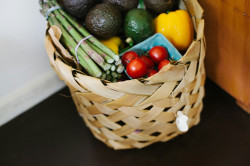
Aim for balanced meals that include vegetables, protein, and whole grains. Roast a big batch of veggies to use in multiple dishes, or boil eggs for quick breakfasts and snacks. Small habits can make a big difference: cut up fruit for easy snacking, prepare overnight oats for mornings, or keep hummus and veggie sticks in the fridge.
Keep It Interesting
One challenge with meal prepping is avoiding boredom. To keep things exciting, vary your flavors and ingredients. Use different spices, sauces, and sides to transform the same base ingredients into new meals.
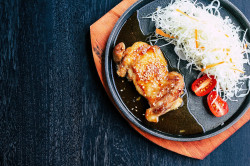
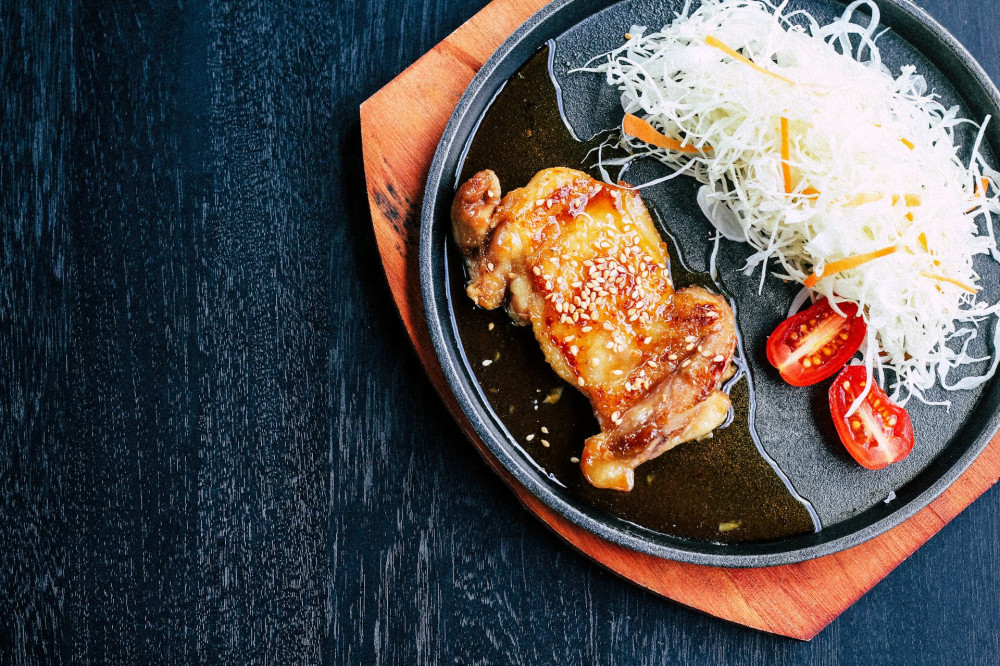
For example, you can cook a batch of chicken and vegetables, then change the flavor profile throughout the week—try a teriyaki glaze one day and a Mediterranean-style seasoning the next. You’ll enjoy variety without extra effort.
You can also take advantage of seasonal produce for better flavor and lower prices.
An Investment in Calm and Convenience
Meal prepping takes a bit of planning, but the payoff is huge. You’ll save time during the week, reduce food waste, and have more energy for the things that matter most. Plus, it becomes easier to make healthy choices when good food is already waiting for you.
Start small—maybe by prepping lunches for two days at a time—and build from there. Before long, you’ll notice that your days feel more organized, your meals more satisfying, and your routine a lot less stressful.
Læs også: