Fridge and Freezer in Balance – How to Use Your Food in the Right Order

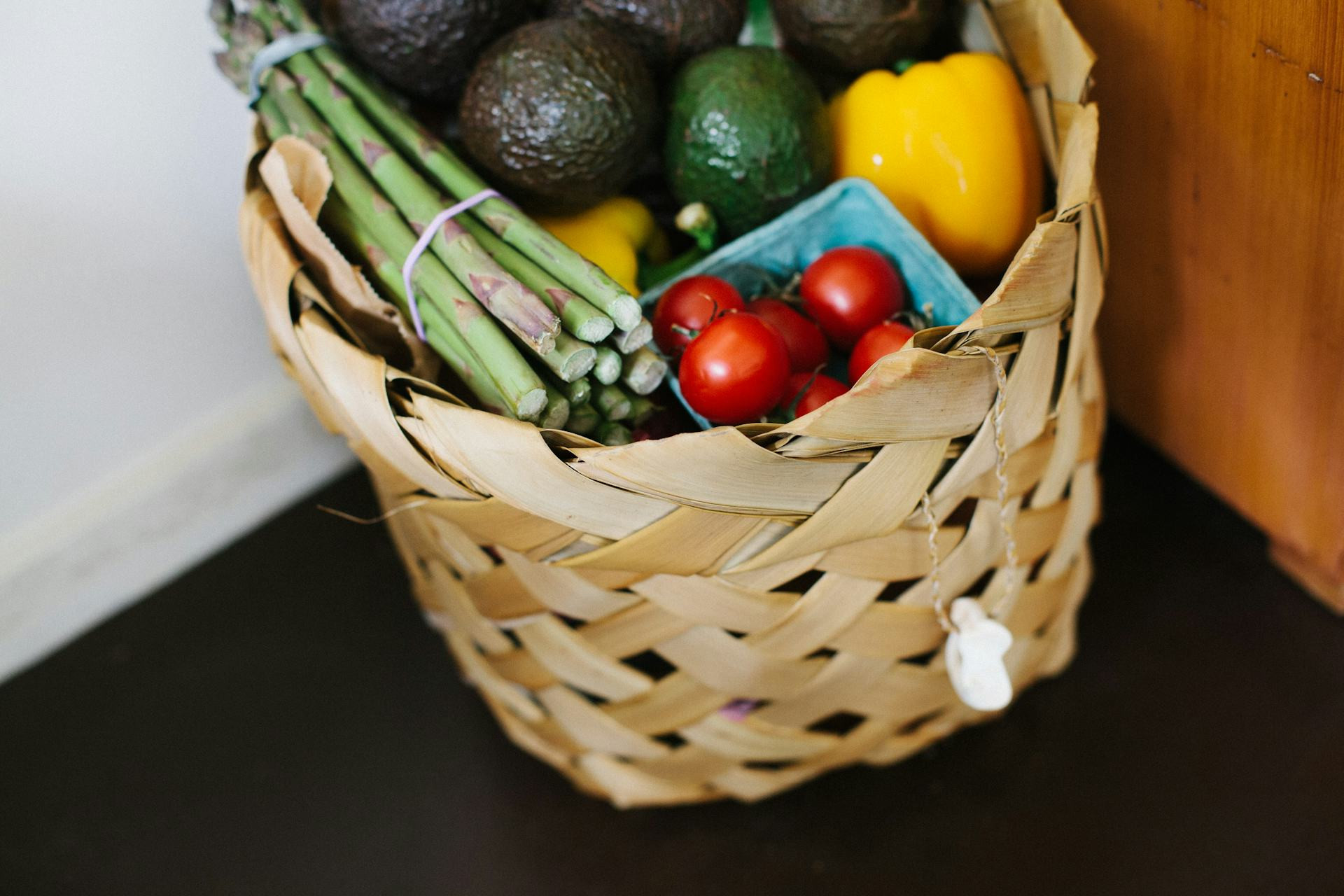
Fridge and Freezer in Balance – How to Use Your Food in the Right Order
A well-organized fridge and freezer aren’t just about keeping things tidy – they’re about saving money, reducing food waste, and making the most of what you already have. Every year, Americans throw away tons of food that could have been eaten, often because it was forgotten in the back of the fridge or left too long in the freezer. With a little planning and an understanding of how to use your food in the right order, you can make a big difference – for both your household and the planet.
Know Your Fridge’s Zones
The temperature inside your fridge isn’t the same everywhere. By knowing the different zones, you can store food where it stays fresh the longest.
- Top shelf: The most consistent temperature – great for leftovers, dairy products, and ready-to-eat foods.
- Middle shelves: Ideal for deli meats, yogurt, and drinks.
- Bottom shelf: The coldest part – perfect for raw meat, poultry, and fish.
- Crisper drawers: Slightly warmer and more humid – best for fruits and vegetables.
- Door shelves: The warmest area – use for condiments, jams, and juices.
When you store food in the right place, it lasts longer and you’ll have a clearer view of what you actually have.
Læs også:

First In, First Out
A simple rule can make a huge difference: First in, first out. That means using older items before newer ones. When you restock your fridge, move older products to the front so they get used before they expire.
A helpful trick is to keep a small “Use Me First” bin in your fridge. Put items that need to be eaten soon – like half-used cans, sauces, or cheese – in that bin. It’s a visual reminder to use them before they go bad.
Freeze Smart
Your freezer is your best ally in preventing food waste – but only if you use it wisely. Without a plan, it can easily turn into a graveyard of forgotten leftovers.
- Label everything with the date and contents so you know what’s inside and how long it’s been there.
- Freeze in portions so you only thaw what you need.
- Use older items first – plan a “freezer week” now and then to cook meals from what’s already stored.
- Keep the temperature at 0°F (-18°C) for best quality and safety.
Even though frozen food can last a long time, it gradually loses flavor and texture. For most dishes, 3–6 months is a good guideline.
Plan Your Meals
Meal planning is key to using your food in the right order. Start by checking what’s already in your fridge and freezer before you shop. Then plan your meals around the items that need to be used first.
For example, if you have vegetables that are starting to wilt, make a soup, stir-fry, or casserole. If you have leftover meat in the freezer, use it in a stew, pasta sauce, or tacos. This way, you’ll use what you have and avoid buying more than you need.
Give Leftovers New Life
Leftovers don’t have to be boring. With a little creativity, they can become something new and delicious:
- Cooked potatoes can turn into potato salad or hash.
- Extra vegetables can go into omelets, quiches, or soups.
- Stale bread can become croutons or breadcrumbs.
- Leftover chicken can be used in sandwiches, salads, or wraps.
By thinking of leftovers as ingredients instead of waste, you’ll add variety to your meals and cut down on what you throw away.
Keep Fridge and Freezer in Sync
A balanced fridge and freezer work together – not as storage spaces, but as tools in your meal planning. The fridge is for fresh items you’ll use within a few days, while the freezer is your backup pantry for extras and leftovers.
A good habit is to clean out and review your freezer every three months. It helps you keep track of what you have and ensures you use it before quality declines. It also helps you adjust your shopping habits so you don’t keep adding more than you use.
Small Effort, Big Impact
Using your food in the right order doesn’t require major changes – just a bit of awareness and structure. Once you get used to the “first in, first out” mindset, plan your meals, and keep track of what’s in your fridge and freezer, it quickly becomes second nature.
The result? Less food waste, more savings, and a kitchen that works efficiently for you. It’s sustainability in action – right at home.
Læs også: