Natural Flow at Home: How to Make Your Rooms Feel Connected

Natural Flow at Home: How to Make Your Rooms Feel Connected
A home rarely feels harmonious if the rooms seem disconnected or randomly decorated. When there’s a natural flow between spaces—both visually and functionally—the entire home feels calmer, more spacious, and more inviting. It’s not just about matching colors or furniture; it’s about how you move through your home and how each room relates to the next. Here’s how to create a sense of connection that makes your whole home feel like one cohesive space.
Start with the Big Picture
When decorating, it’s tempting to focus on one room at a time. But if you want your home to flow naturally, start by thinking about the overall story you want your space to tell. What mood do you want to create? Should your home feel warm and cozy, bright and airy, or sleek and modern?
Create a plan for colors, materials, and style that ties everything together. That doesn’t mean every room has to look the same, but there should be a common thread. A consistent wall color, flooring type, or trim style can unify the home, while subtle variations add personality and depth.
Create Visual Connections
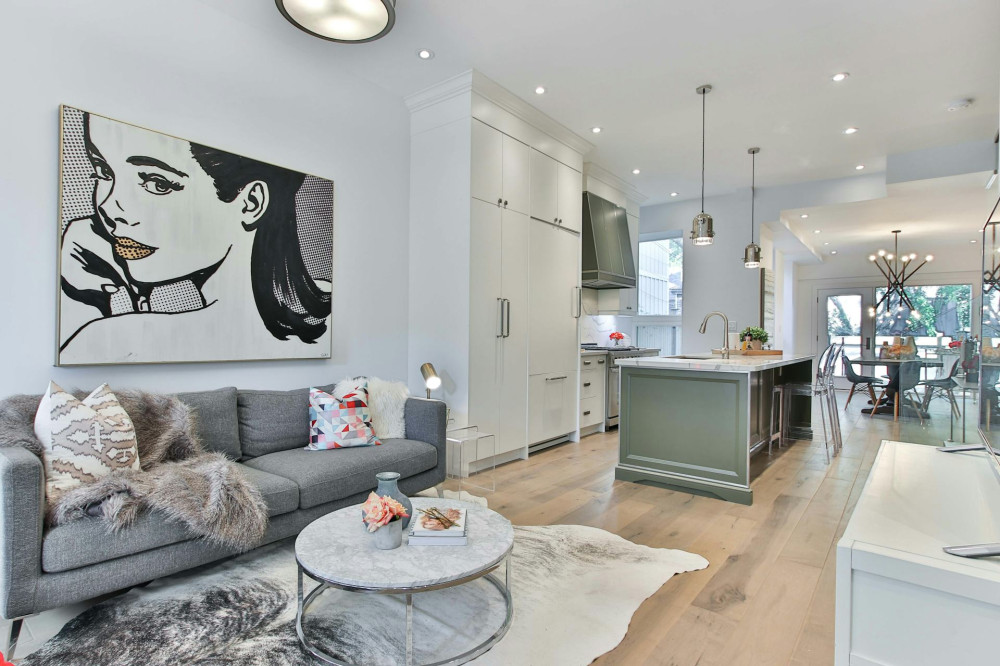
A natural flow depends largely on how the eye moves through your home. When you stand in one room, you should be able to sense what’s beyond without being jarred by sudden changes in color or style.
- Repeat colors and materials – Use the same wood tones, metal finishes, or accent colors in multiple rooms.
- Pay attention to lines and sightlines – Arrange furniture and lighting so that pathways and views feel open and intentional.
- Use lighting as a connector – Fixtures with similar shapes or finishes can link spaces, even if their functions differ.
Small details—like matching door hardware, baseboards, or window treatments—can make a big difference in how cohesive your home feels.
Think About Movement and Function
Flow isn’t just about looks; it’s also about how you move through your home. Good flow means your rooms support your daily routines and make sense together.
Consider how you use your spaces:
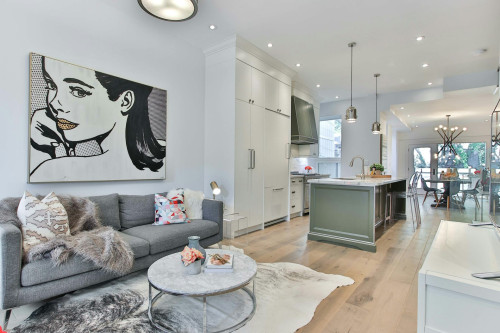
- Is there an easy connection between the kitchen, dining area, and living room?
- Are pathways clear, without furniture blocking movement?
- Does natural light guide you from one space to another?
If a room feels cut off, try rearranging furniture, adjusting lighting, or adding a glass door or open shelving to create visual continuity.
Use Color, Light, and Texture to Tie It All Together
Color and materials are powerful tools for creating unity. Choose a color palette that can shift slightly from room to room—perhaps soft neutrals, earthy tones, or cool blues. This allows for variety without breaking the overall harmony.
Lighting also plays a key role. Make sure the lighting in each room complements the next. Warm light in the living room and brighter, cooler light in the kitchen can work beautifully as long as the transition feels natural. Dimmable fixtures are great for adjusting mood and maintaining consistency throughout the day.
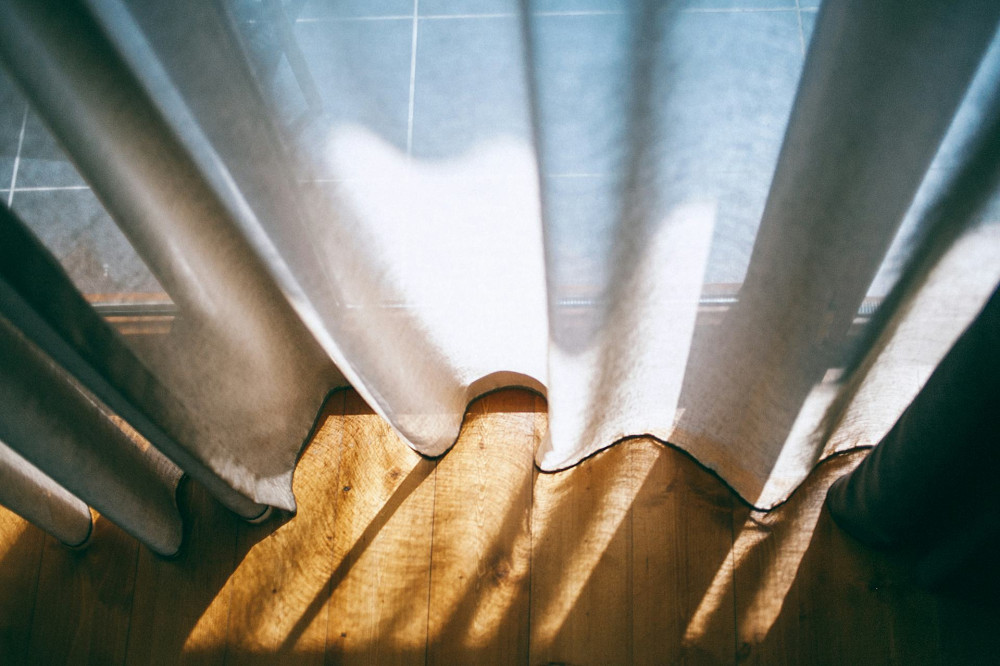
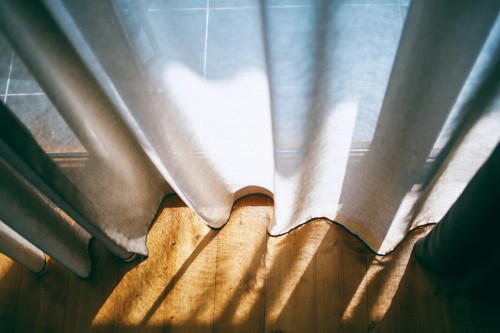
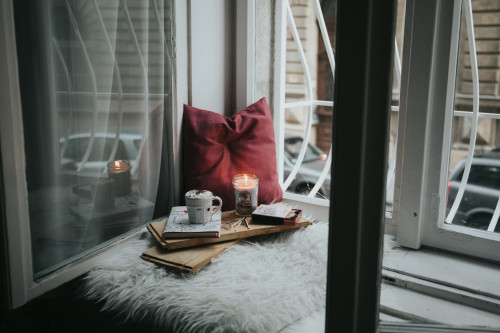
Textiles like rugs, curtains, and throw pillows can soften transitions. Repeating patterns or fabrics in different rooms helps create a sense of rhythm and connection.
Define Transitions and Zones
In many modern homes, spaces flow together—especially open-concept living areas. The goal is to define zones that feel distinct yet connected. Use rugs, lighting, and furniture placement to mark transitions without closing off the space.
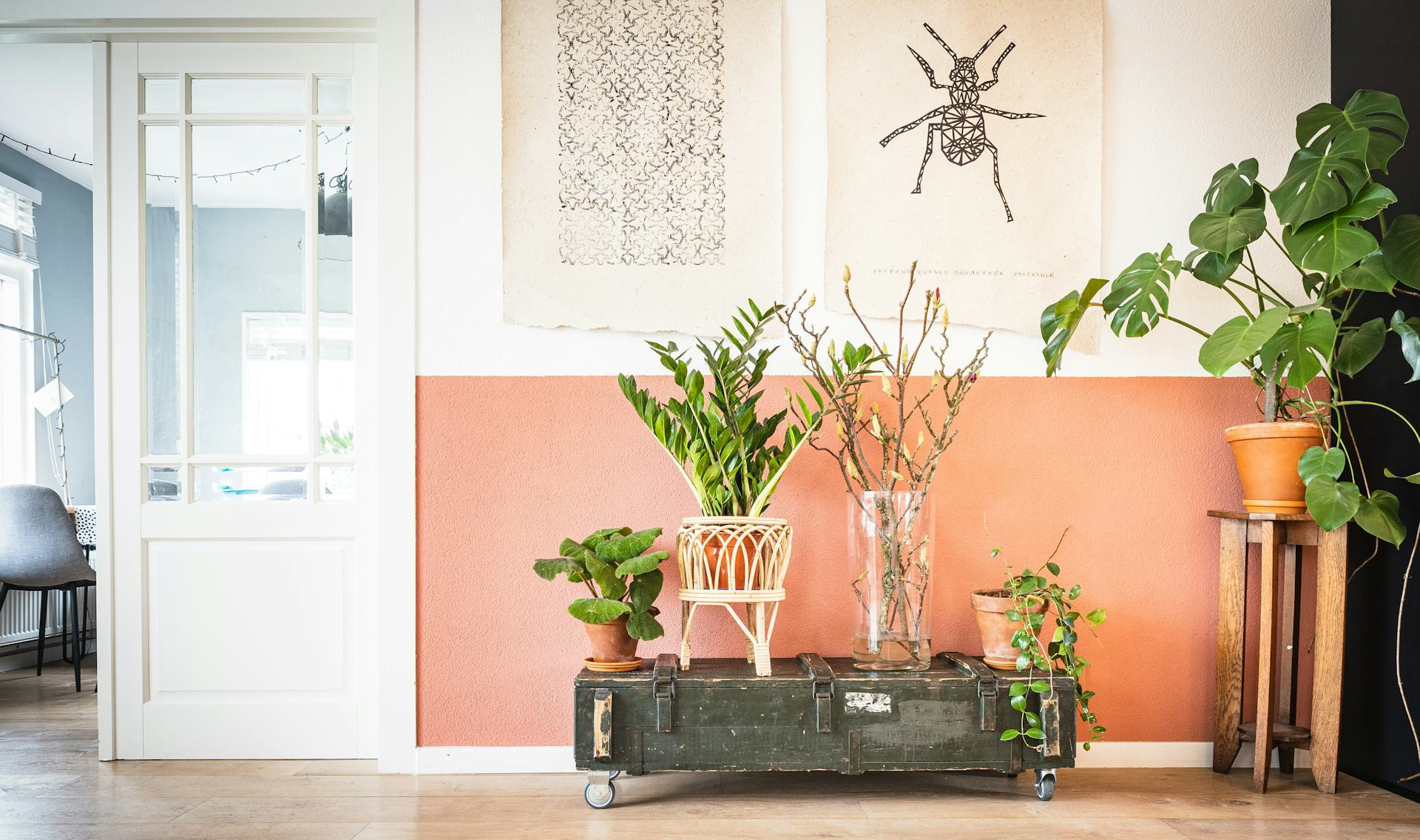
If you have an entryway or hallway, treat it as a calm pause between zones. A simple color scheme and uncluttered design can make it a natural bridge between more active areas.
Læs også:
Add Personality with Balance
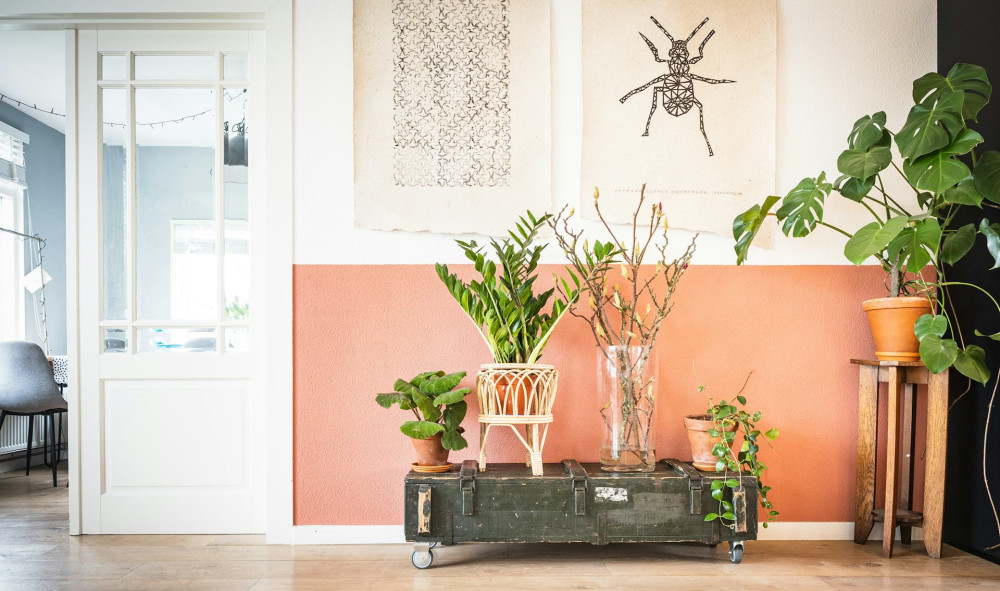
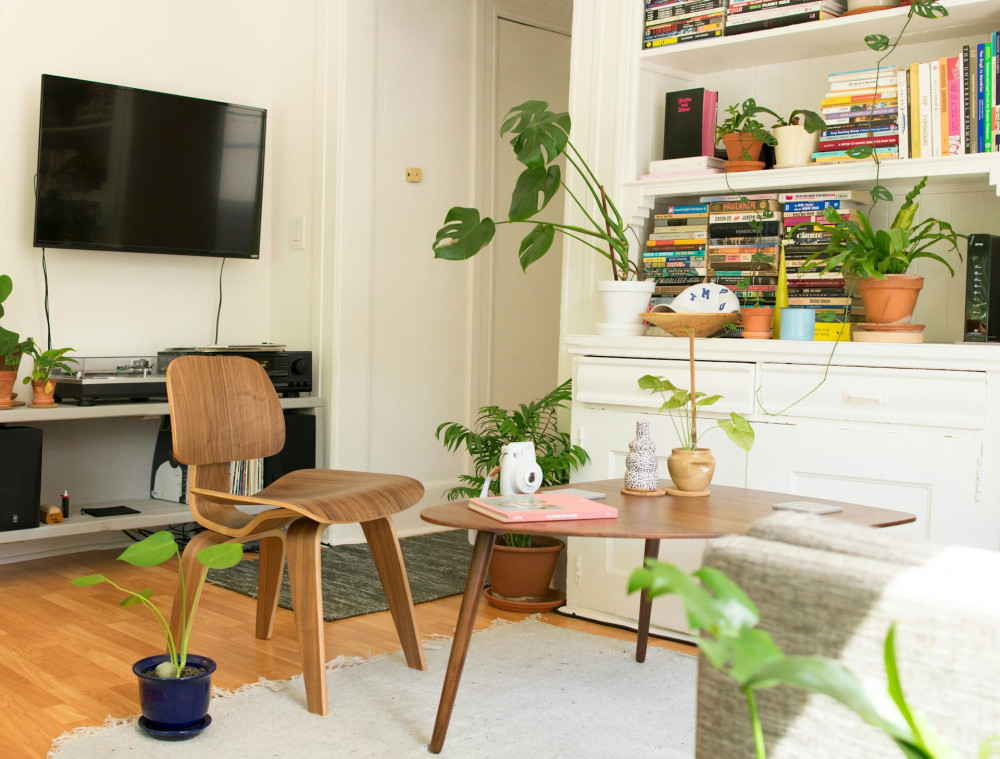
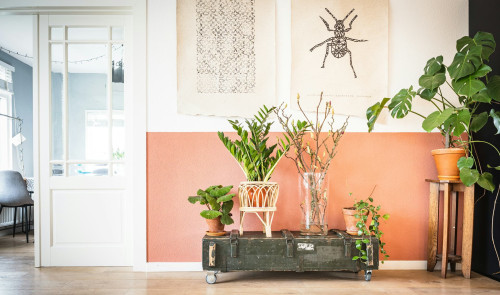
A home with flow shouldn’t feel too uniform. Personal touches are what make a space come alive. Art, plants, books, and family heirlooms add warmth and character—as long as they fit within the overall design language. You might echo a color from a painting in your throw pillows or vases to create subtle harmony.
It’s all about balance: too many contrasts can feel chaotic, but too little variation can make your home feel flat. Find the middle ground where your personal style shines without disrupting the rhythm.
A Home That Feels Whole
When your rooms connect naturally, your home feels larger, calmer, and more welcoming. You move effortlessly from one space to another, and the overall atmosphere feels balanced. Achieving this doesn’t require major renovations—often, small adjustments in color, lighting, and layout make all the difference.
Creating natural flow at home is ultimately about harmony between function, aesthetics, and emotion—so your home doesn’t just look cohesive, but truly feels that way.
Læs også: