Make the Most of Your Furniture: Plan Your Interior Design Thoughtfully

Make the Most of Your Furniture: Plan Your Interior Design Thoughtfully
A home is more than just furniture and colors – it’s about how your spaces support your daily life. Thoughtful interior design can make small homes feel spacious, bring calm to large rooms, and help your furniture work better together. With a bit of planning and creativity, you can make the most of what you already own without necessarily buying new pieces. Here’s how to plan your interior design so it’s both practical and personal.
Start by Understanding the Room’s Purpose
Before you start moving furniture around, take a moment to think about how the room is used. A living area that doubles as a home office and dining space needs a different setup than a room meant purely for relaxation.
Ask yourself:
- What activities take place here every day?
- Where do people move most often?
- What needs to be easily accessible?
Once you understand the room’s function, it becomes easier to decide which furniture pieces deserve center stage – and which ones might be unnecessary.
Balance Furniture and Space
One of the most common design challenges is mismatched proportions between furniture and room size. Too many large pieces in a small space can make it feel cramped, while too few items in a large room can make it feel empty and impersonal.
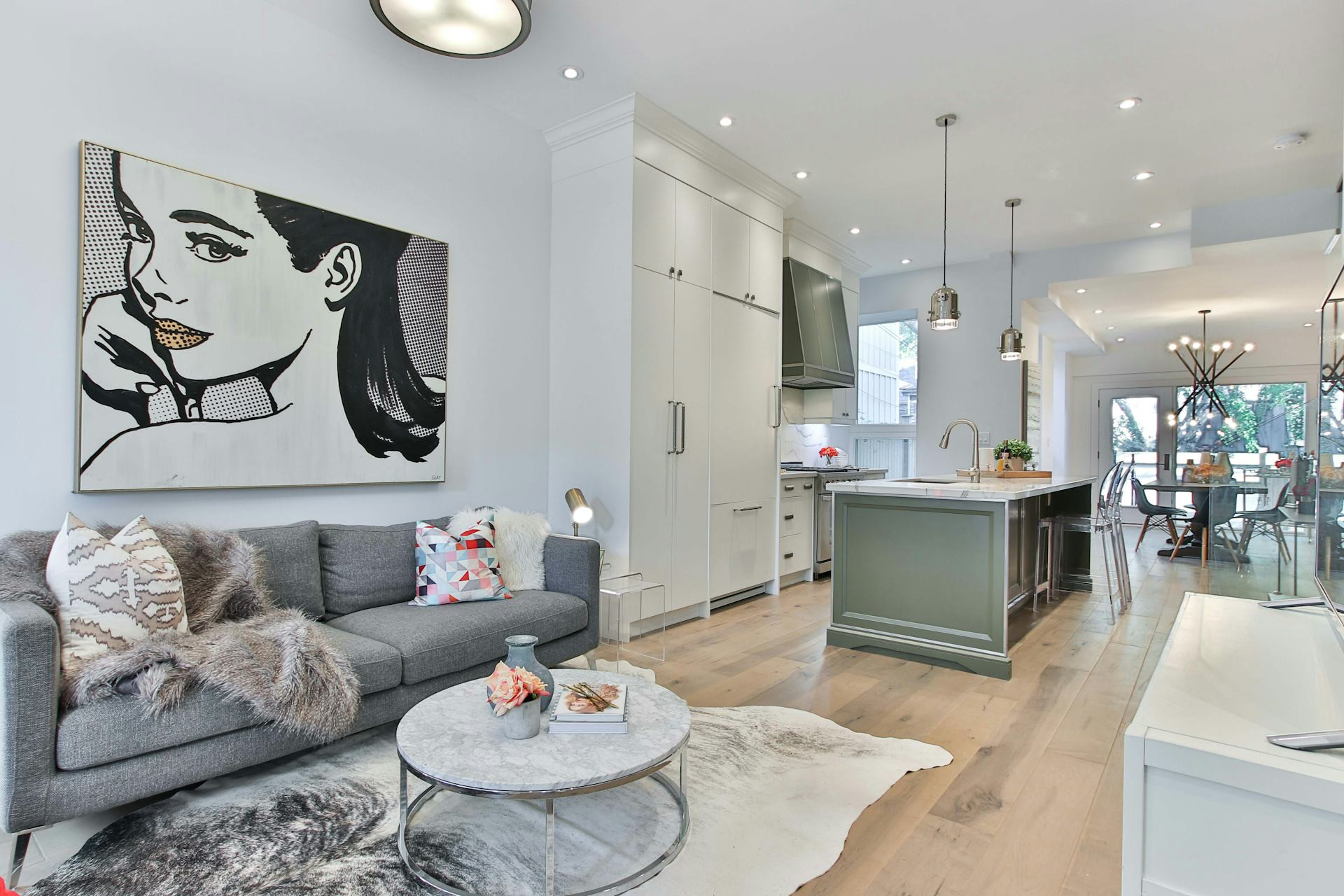
- In small spaces: Choose multifunctional furniture – a sleeper sofa, a dining table with leaves, or a bed with built-in storage. Keep colors light and leave breathing room around furniture.
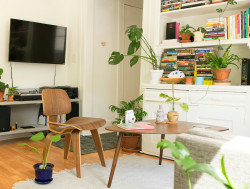
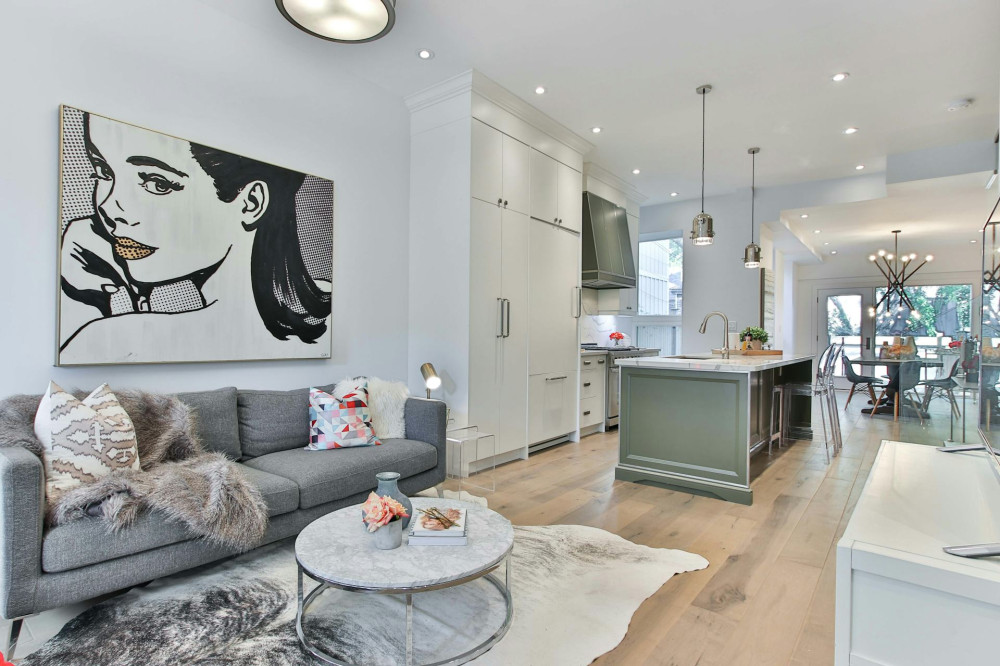
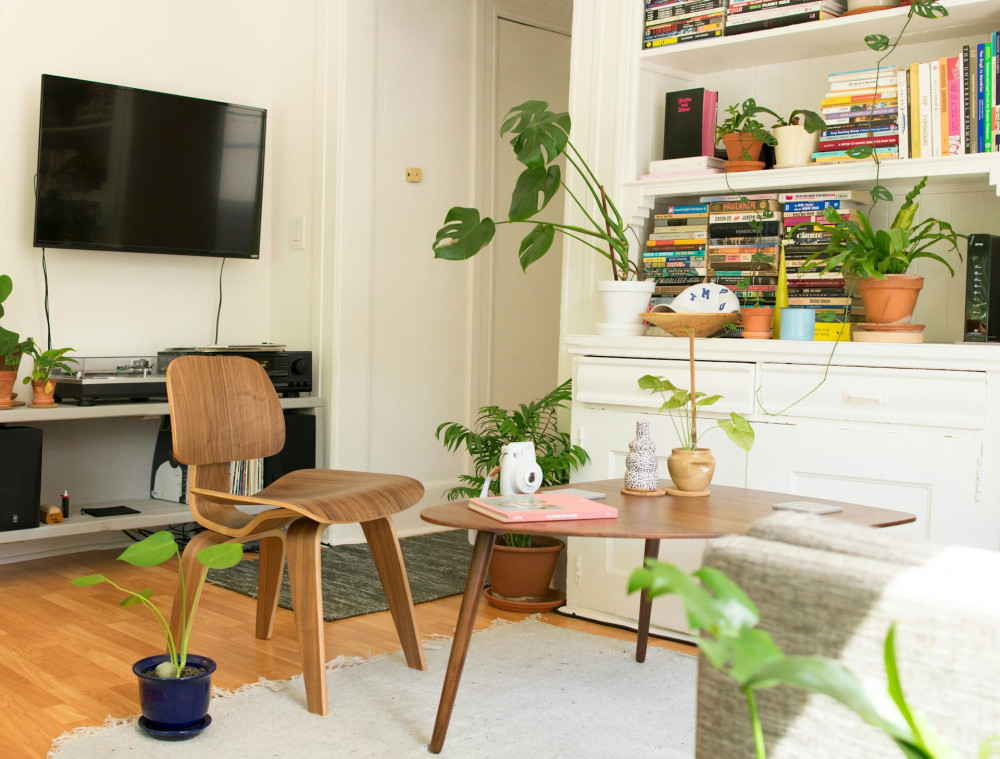
- In large spaces: Use rugs, shelving, and plants to define zones. This adds structure and makes the room feel more inviting.
The goal isn’t to fill the room but to create balance between function, movement, and aesthetics.
Læs også:
Think in Zones and Flow
Good design is about how you move through a space. If you constantly have to step around furniture or shift things to get by, the flow isn’t working.
Try dividing the room into zones: one for relaxing, one for working, one for dining. Use rugs, lighting, or furniture placement to mark transitions between these areas. This approach helps the room feel organized and harmonious, even when it serves multiple purposes.
Use Light and Color Strategically
Light and color have a huge impact on how a room feels. Natural light can highlight a room’s best features, while artificial lighting adds mood and functionality.
- Layer your lighting: Combine overhead lights, floor lamps, and table lamps so you can adjust brightness for different activities.
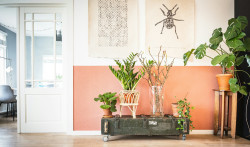
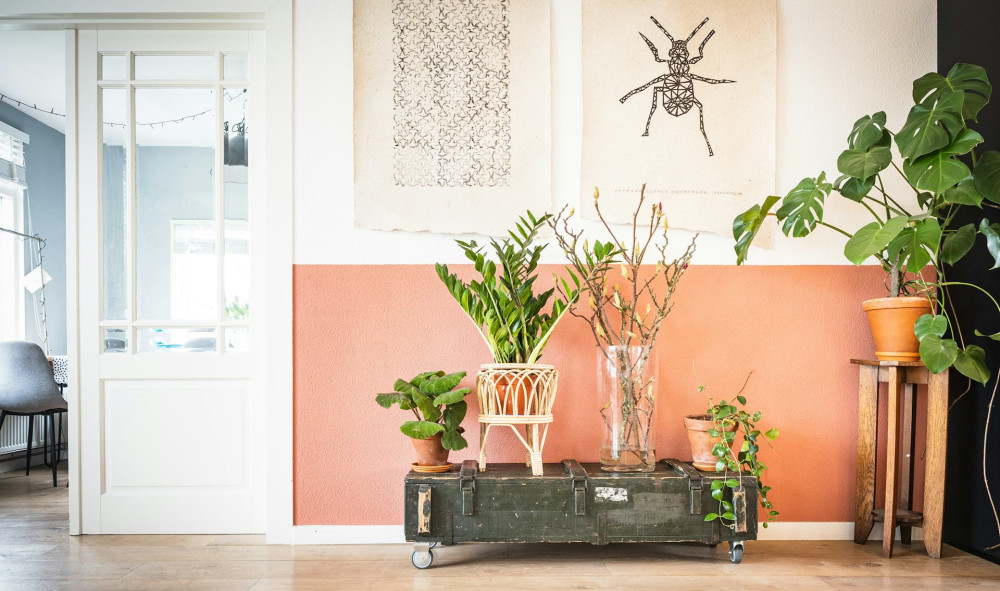
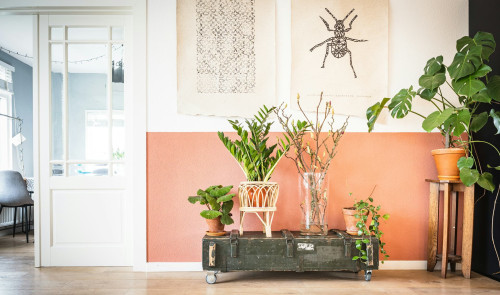
- Be intentional with color: Light tones open up a space, while darker shades add coziness and depth. Consider painting one accent wall to add character without overwhelming the room.
Light and color can also draw attention to your favorite furniture pieces or create visual continuity between rooms.
Give Your Furniture New Life
Designing your home doesn’t always mean buying new things. Often, you can refresh your space by reimagining what you already have.
- Paint an old dresser in a bold new color.
- Replace hardware on cabinets and drawers.
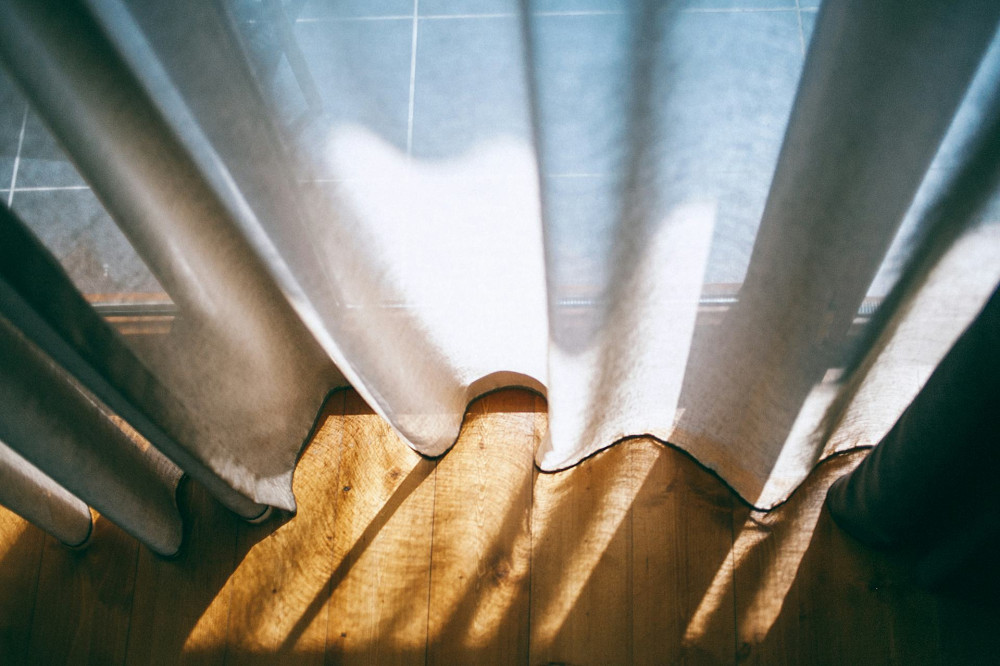
- Use textiles – pillows, throws, and curtains – to shift the mood.
Small updates can make a big difference and give your home a personal touch without a big expense.
Plan with Care – and Live with It
When planning your interior design, remember that a home is never truly “finished.” Your needs and tastes will evolve over time. Think of your home as a living project that grows with you.
Take time to notice how the space works in daily life. You might find that the sofa fits better in another spot or that you need more storage. Small adjustments over time can greatly improve both comfort and functionality.
Designing thoughtfully is ultimately about creating a home that fits you – not just today, but for years to come.
Læs også: