Find Peace in Planning: Create Balance Between the Practical and the Emotional


Find Peace in Planning: Create Balance Between the Practical and the Emotional
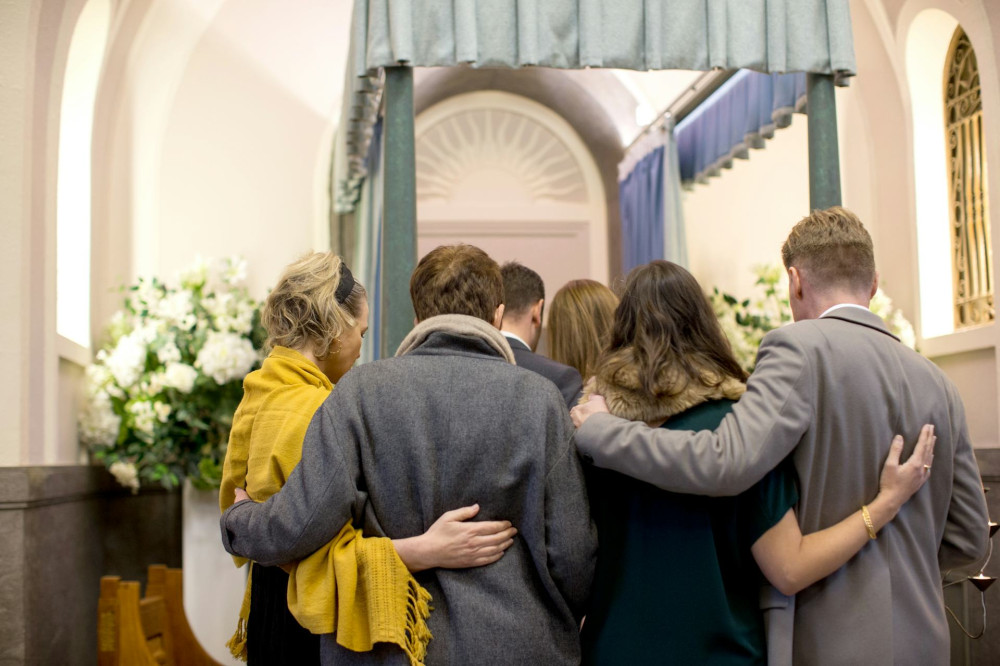
When loss touches your life, it can feel impossible to focus on details while your heart is heavy with grief. Planning a farewell—whether it’s a funeral, memorial service, or celebration of life—requires both structure and compassion. It’s about finding balance between what needs to be done and what needs to be felt. This article offers guidance on how to bring calm to the planning process and create space for both the practical and the emotional.
Give Yourself Time—and Permission to Feel
Grief shows up differently for everyone. Some people find comfort in staying busy, while others need quiet and solitude. Both responses are natural. What matters most is allowing yourself to react in your own way, without pressure to be “productive” when everything feels uncertain.
Even small decisions can feel overwhelming when emotions are raw. Try to take one step at a time, and remember that not everything has to be decided right away. Allow for pauses, and lean on family, friends, or a funeral director who can help you stay organized and supported.
Læs også:


Bring Structure to the Practical
Though it may feel heavy, the practical side of planning can also bring a sense of calm. It provides a framework for action and a way to honor your loved one through thoughtful choices. Start by focusing on the essentials:
- Contact a funeral home or director who can guide you through arrangements and coordinate with the cemetery, crematory, or place of worship.
- Choose a date and location for the service, and consider who should be invited.
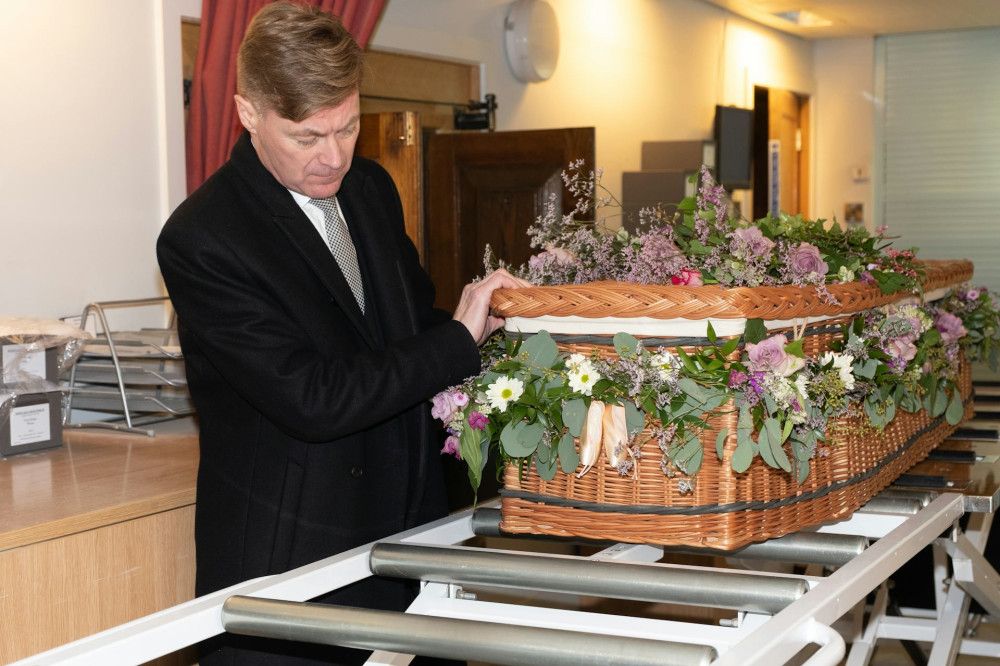
- Select a casket, urn, or flowers that reflect your loved one’s personality and values.
- Plan music, readings, or words that create the atmosphere you want.
- Notify family and friends, and decide how you’d like to share the news—personally, through an obituary, or online.
Writing down each task and addressing them one by one can make the process more manageable. Many people find that this structure brings a sense of control amid the chaos of loss.
Make It Personal
A farewell is more than a ceremony—it’s a reflection of a life. As you plan, think about how to make the service personal and meaningful. This might include music, photos, stories, or small details that capture who your loved one was.
Perhaps there’s a favorite song, a quote, or a family tradition that feels right to include. It doesn’t have to be elaborate or formal—often, it’s the simple, heartfelt touches that mean the most. What matters is that it feels true to you and to the person you’re honoring.
Share the Responsibility—You Don’t Have to Do It Alone
It can be a relief to share tasks with others. One person might handle flowers, another the music, and someone else the communication with the officiant or venue. This not only lightens the workload but also provides emotional support.
If several family members are involved, consider holding a short meeting to discuss who will take care of what. Clear communication helps prevent misunderstandings and allows everyone to contribute in their own way. Remember, there’s no single “right” way to plan a farewell—the most important thing is that you do it together.
Find Comfort in Rituals
Rituals can be powerful anchors in times of grief. They bring structure and meaning when life feels unpredictable. These rituals might include the service itself, but also smaller gestures before or after—lighting a candle, writing a letter to your loved one, or visiting a place that holds special memories.
Such actions help create a sense of peace and continuity. They remind us that while life changes, love and memory endure.
After the Farewell—Allow Space for Stillness
When the ceremony is over, a quiet emptiness can follow. Many people find that the practical tasks have kept their emotions at bay, and that the full weight of grief surfaces afterward. This is completely natural.
Give yourself time to rest and reflect. You don’t need to rush back into daily routines. Allow yourself to pause, to remember, and to feel. Talking with someone who understands, or joining a grief support group, can also be a source of comfort.
Finding peace in planning isn’t about erasing sorrow—it’s about creating balance. It’s about moving gently between doing and feeling, between saying goodbye and holding on to the love that remains.
Læs også: