Colors, Clothing, and Symbolism – When Farewells Become Personal

Colors, Clothing, and Symbolism – When Farewells Become Personal
When we say goodbye to someone we love, the ceremony often becomes a reflection of both the life that was lived and the emotions of those left behind. In recent years, many Americans have chosen to make funerals and memorial services more personal—not only through music and words, but also through colors, clothing, and meaningful symbols. What we wear and the colors that surround us can express grief, gratitude, love, and hope in ways that words alone cannot.
The Meaning of Color in Moments of Farewell
Traditionally, black has been the color of mourning in the United States—a sign of respect, solemnity, and loss. Yet as memorials become more individualized, many families are choosing to move beyond convention. Some prefer lighter tones to symbolize peace and remembrance, while others choose the favorite color of the person who has passed as a tribute to their personality.
- Black still conveys dignity and respect, but can also feel formal or heavy.
- White often represents purity, peace, and a sense of new beginnings—sometimes chosen for children’s services or celebrations of life.
- Blue can evoke calm, faith, and eternity.
- Green suggests renewal, hope, and the continuity of life.
- Red may stand for love, courage, and vitality—a color increasingly seen in modern memorials.
Color choices can also reflect cultural or religious traditions. In some communities, white is the color of mourning; in others, it symbolizes joy. What matters most is that the colors feel right for those who gather to remember.
Læs også:

Clothing Choices – Between Tradition and Individuality
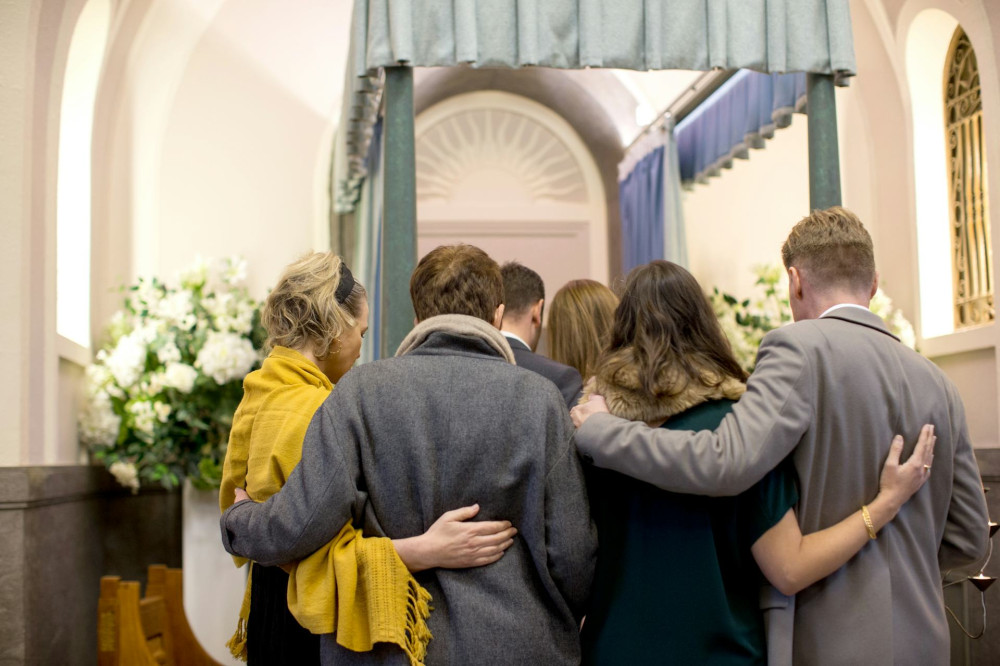
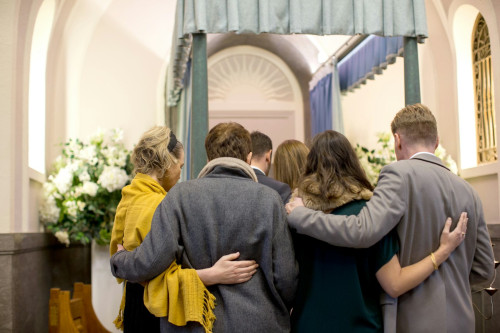
There was a time when everyone attending a funeral was expected to wear black. Today, there is more freedom to dress in a way that honors both the occasion and the life being celebrated. Some families invite guests to wear colors that remind them of the deceased—perhaps a green tie for someone who loved the outdoors, or a floral dress for someone who brought brightness into every room.
For others, maintaining a traditional appearance with dark, subdued clothing feels most appropriate, especially in religious settings. The key is balance: showing respect for tradition while creating a space that feels authentic and meaningful for those who mourn.
Symbols, Flowers, and Personal Touches
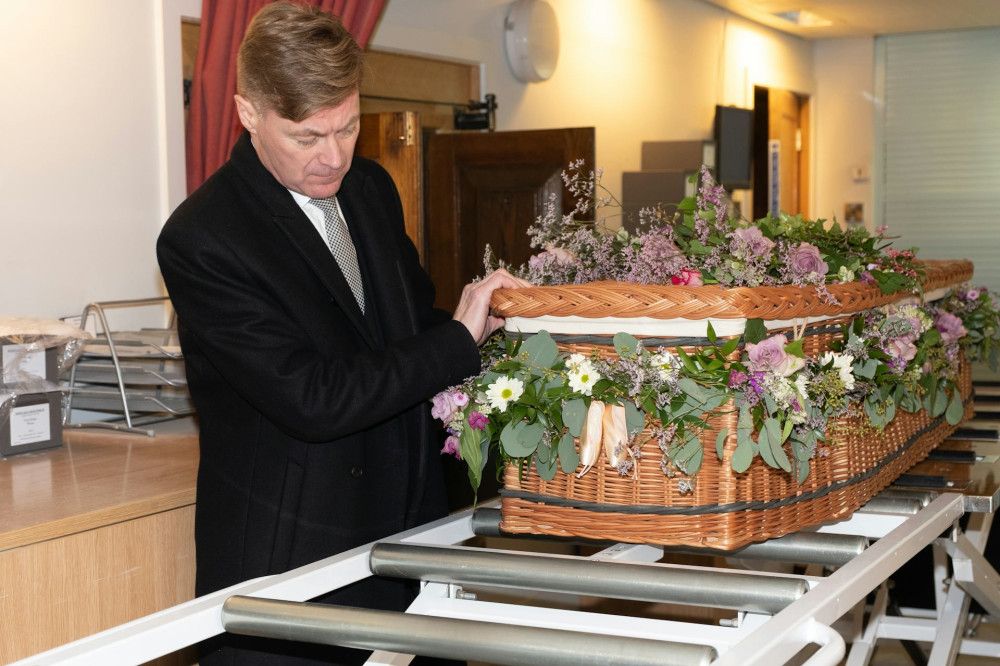
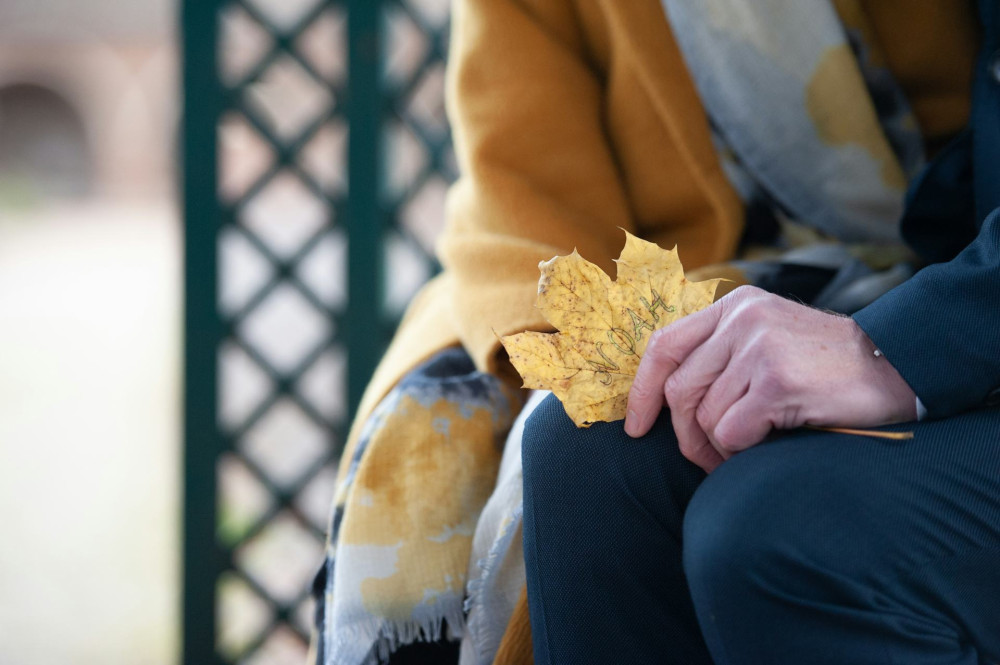
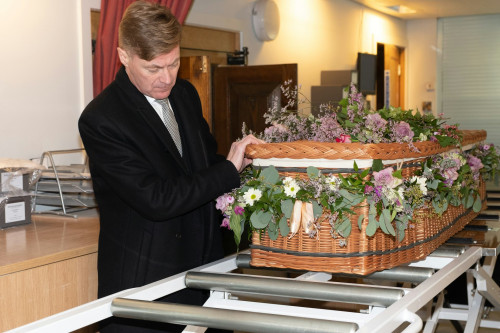
Symbolism can appear in many forms—through flowers, candles, photographs, or small objects that tell a story about the person being remembered. A single rose on the casket, a candle lit for hope, or a stone placed on a grave can be powerful gestures of love and remembrance.
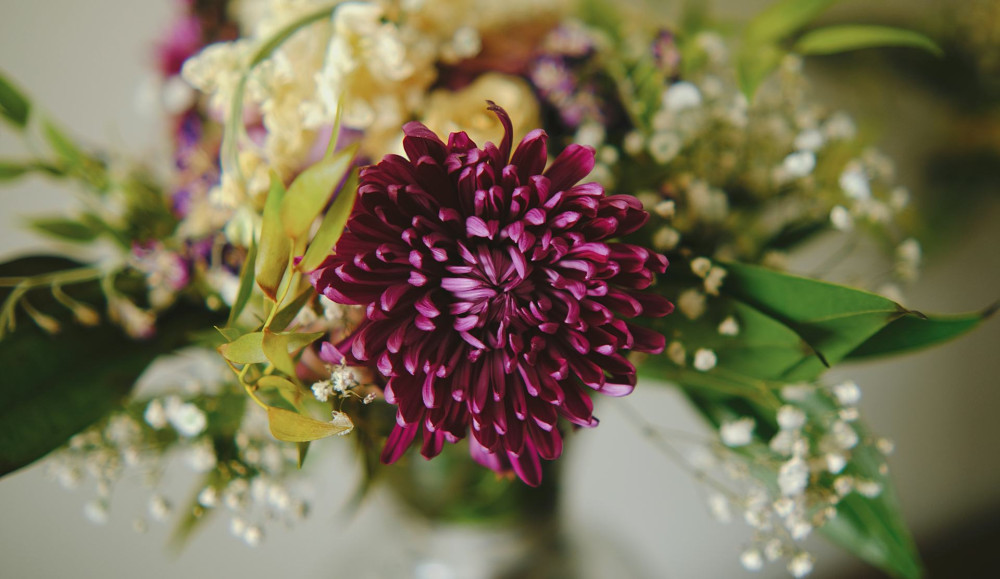
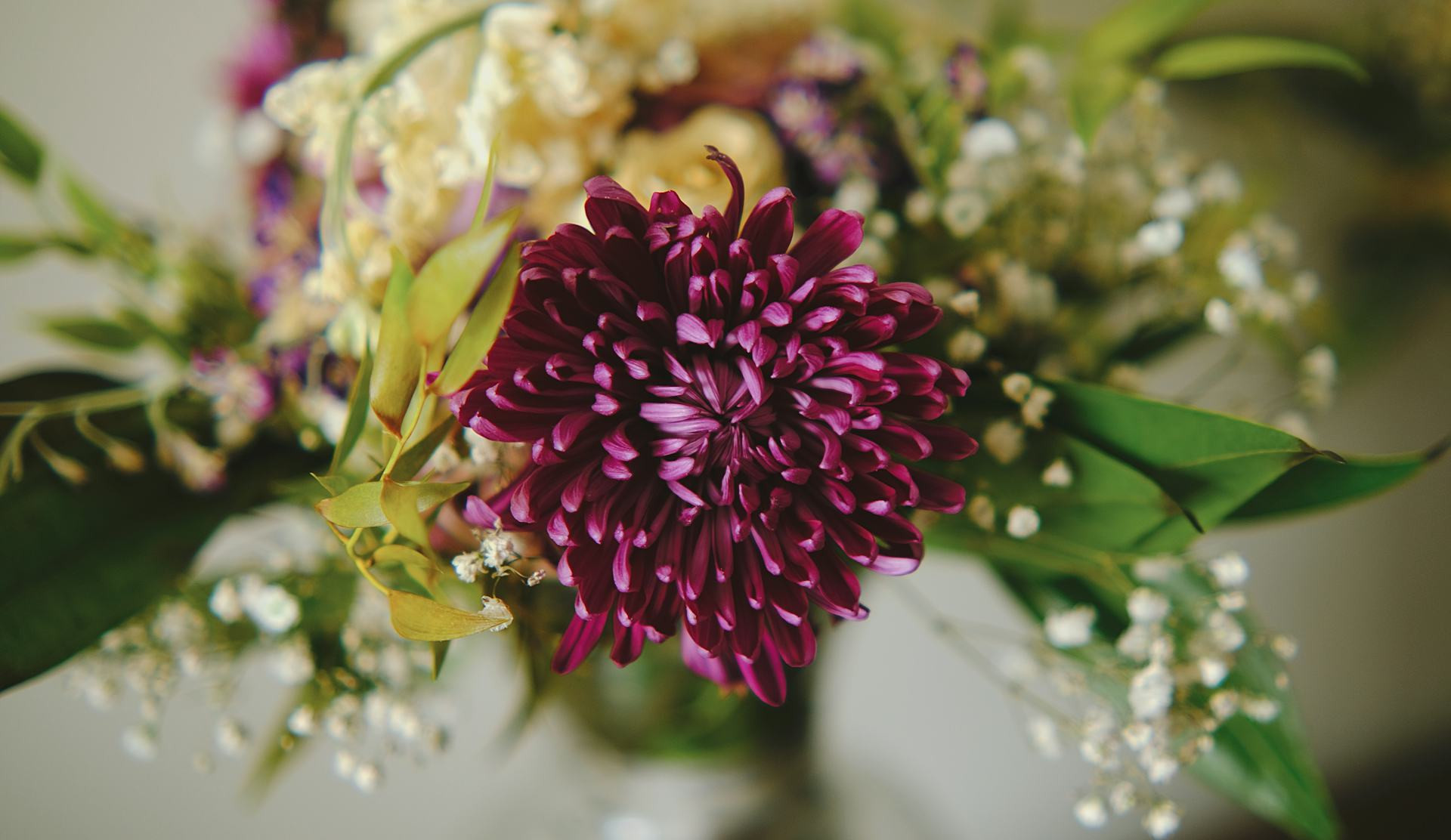
Flowers hold a special place in American memorials. White lilies and roses often symbolize peace and purity, while colorful arrangements can express joy and gratitude for a life well lived. Some families choose blooms from the person’s own garden—a deeply personal way to bring their memory close.
Music, images, and small details can also carry meaning. A favorite song, a poem, or a cherished keepsake displayed at the service can speak volumes about a life that touched others.
When Farewell Becomes a Reflection of Life
Saying goodbye is not only about loss—it is also about telling the story of who someone was and what they meant. Colors, clothing, and symbols can help create an atmosphere that reflects both sorrow and love, grief and gratitude.
For some, these choices bring comfort: a way to see how the person’s spirit still lives on in the details of the farewell. For others, they offer a way to let go—with respect, but also with warmth and hope.
Whether one chooses a traditional or a more personal approach, the most important thing is that the farewell feels genuine. In the end, it is not the colors or the clothing that matter most, but the people who gather to remember, to honor, and to say thank you.
Læs også: