Automation as Creative Support: Eliminate Routine Work

Automation as Creative Support: Eliminate Routine Work
Automation is often associated with efficiency, time savings, and fewer errors. But in recent years, technology has also proven to be a creative ally—a tool that frees up time and energy for the tasks where human intuition, imagination, and aesthetic sense truly make a difference. Instead of replacing people, automation can elevate our work to a new level.
When Routine Takes Over
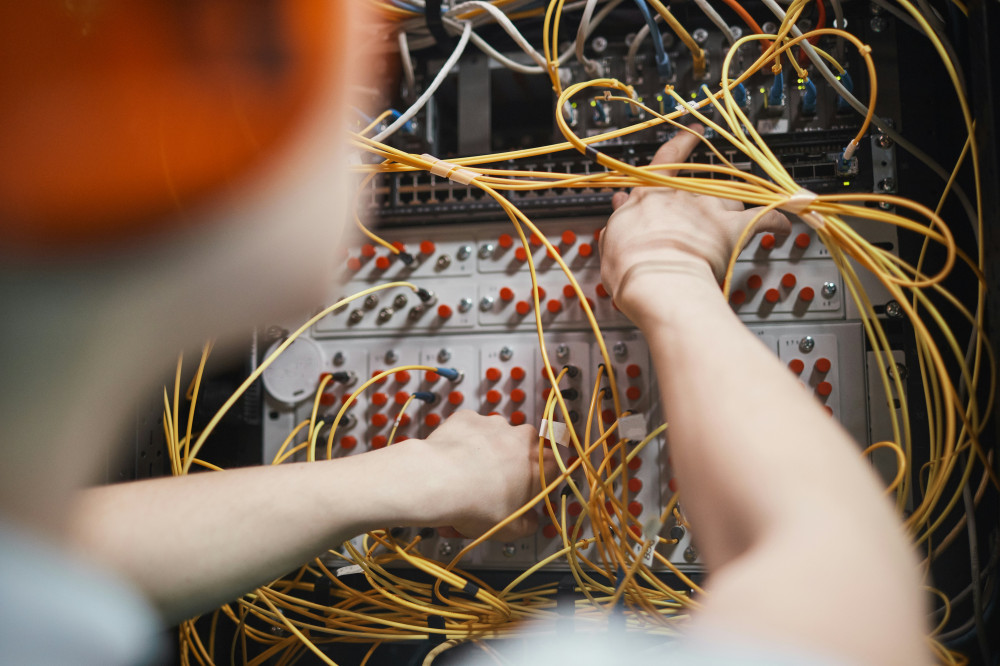
Many professionals know the feeling of being buried in repetitive tasks: emails, reports, data entry, scheduling. These are necessary parts of any job, but they can drain energy and steal focus from the more meaningful and value-creating work. Here, automation can be a powerful support—not a threat.
By letting software handle predictable processes, you can devote your attention to what requires human judgment: thinking creatively, building relationships, and developing ideas. This applies across industries—from office work and education to design, marketing, and healthcare.
Læs også:

Small Steps Toward a Smarter Workday
Automation doesn’t have to be a massive project. Often, it starts with small adjustments that quickly prove their worth.
- Automated emails and calendar management can free up time for preparation and reflection.
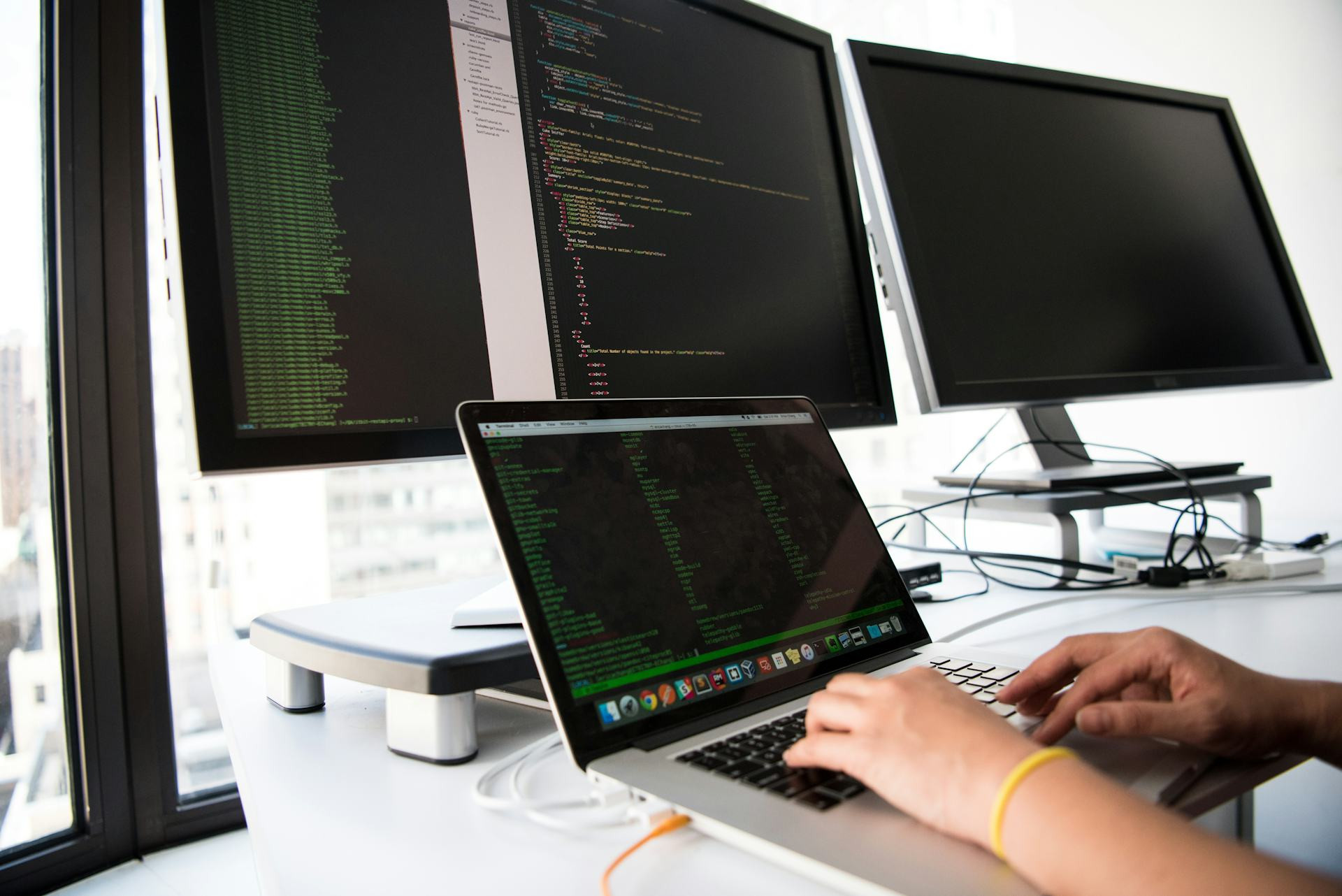
- Data collection and reporting can be handled by simple scripts or tools like Zapier, Make, or Microsoft Power Automate.
- Creative processes can be supported by AI tools that help with brainstorming, image editing, or drafting text.
When repetitive tasks become easier, there’s more room to think big—and to let creativity flourish.
Automation as a Collaborator
It’s a common misconception that automation is about replacing people. In reality, it’s about collaboration. Technology can take care of the predictable, while you focus on the unpredictable—the work that requires empathy, aesthetics, and critical thinking.
A good example can be found in design and communication, where automated tools can generate drafts, but it still takes human insight to refine, select, and shape the final result. In this way, technology becomes a creative partner—one that inspires and challenges rather than replaces.
Creative Freedom Through Structure
Many creative professionals fear that automation will make their work mechanical. But often, the opposite happens. When the practical framework is in place and repetitive tasks run automatically, a mental space opens up for experimentation and deep focus.
It’s like a musician using a loop to set the rhythm, freeing attention for the melody. Automation creates structure—and structure is the foundation of freedom.
A Human and Ethical Perspective
While automation can be a great help, it requires thoughtful implementation. It’s important to consider how technology affects workplace culture and the people who use it. Automation should not be used to increase pressure or speed, but to create a better balance between efficiency and well-being.
When used responsibly, automation can contribute to a more sustainable workday—one where people spend their time doing what they do best: thinking, creating, and collaborating.
The Future Is Collaborative
Automation is not the end of human work—it’s the beginning of a new way of working. A way where technology and creativity go hand in hand. By eliminating routine work, we can focus our energy on innovation, relationships, and purpose.
It’s not about doing more in less time, but about doing the right things—with the support of tools that help us think more clearly and create more freely.
Læs også: